
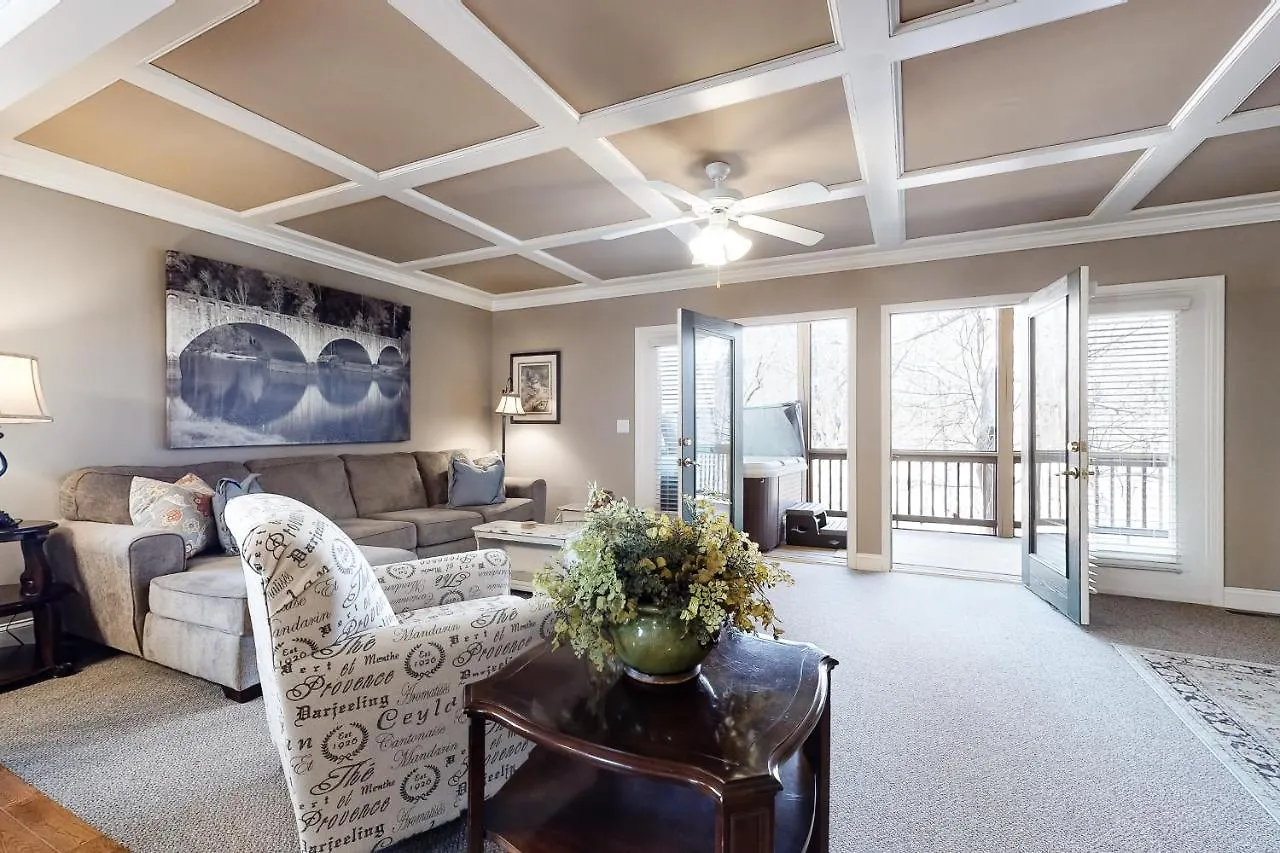
The Blue Ridge Mountains stretch across multiple states in the American Southeast, offering one of the most scenic and activity-rich landscapes in the country. Villa-style accommodations here are not just a lodging choice - they are the primary way serious travelers experience the region, with properties ranging from riverside retreats in Helen, Georgia, to ski-adjacent chalets near Sugar Mountain Resort in North Carolina. This guide cuts through the noise and helps you choose the right villa hotel based on your group size, preferred base town, and seasonal priorities.
What It's Like Staying in the Blue Ridge Mountains
The Blue Ridge Mountains region operates on a slower, nature-first rhythm - there are no subway lines or dense urban grids here. Getting around requires a car, and distances between towns like Helen, Banner Elk, Asheville, and Crumpler can easily exceed 100 km. Villa accommodations dominate the lodging landscape precisely because they suit multi-night stays with cooking facilities, private outdoor space, and enough room for groups or families who want to self-cater between hikes or ski runs. Peak crowds hit hardest during fall foliage season (mid-October) and winter ski weekends, when roads to Grandfather Mountain and Sugar Mountain Resort fill up by mid-morning.
This destination rewards travelers who plan ahead, book early, and prefer space over central-city convenience. Those expecting walkable restaurant strips or nightlife within steps of their door should look elsewhere - the trade-off here is seclusion and scenery, not urban access.
Pros:
- Exceptional natural scenery with access to hiking, skiing, cycling, and river activities across multiple trail systems and resort areas
- Villa-style stays offer full kitchens, fireplaces, and private outdoor spaces that make longer stays genuinely comfortable and cost-effective for groups
- Lower visitor density outside of peak foliage and ski weekends means quieter roads, easier trail access, and more availability at key attractions
Cons:
- A car is absolutely essential - public transportation does not connect the key towns, and distances between villages and attractions average around 30 km or more
- Dining options outside of Asheville and Helen are limited, making self-catering a necessity rather than a choice in smaller towns like Crumpler
- Cell service and internet reliability can be inconsistent in more remote villa properties, which matters for remote workers or families relying on streaming
Why Choose Villa Hotels in the Blue Ridge Mountains
Villa hotels in the Blue Ridge Mountains are not a luxury upgrade - they are the most practical format for how travelers actually use this region. A group of four splitting a 3-bedroom villa with a full kitchen, private terrace, and fireplace will spend significantly less per person than booking multiple standard hotel rooms, while gaining the kind of space that makes mountain evenings genuinely comfortable. Most villas here include amenities standard hotels cannot match: outdoor fireplaces, mountain or river views from private terraces, hot tubs, and on-site parking with no fees. Compared to mid-range hotel rooms in Asheville or Boone, villa properties in the surrounding area often deliver around 3 times the living space for a comparable nightly rate when split across a group.
The trade-off is reduced access to daily housekeeping, front-desk services, and on-site dining - though many properties compensate with fully equipped kitchens and barbecue setups. Villa hotels suit groups of 4 or more, families with children, and travelers planning stays of at least 3 nights who want to use the property as a base rather than just a place to sleep.
Pros:
- Full kitchens, multiple bathrooms, and living areas make villa hotels far more practical than standard rooms for families or groups exploring the region over several days
- Private outdoor spaces - terraces, patios, hot tubs, and garden areas - add genuine value that standard mountain hotels rarely include at comparable prices
- Free private parking is standard across nearly all villa-type properties in the region, eliminating a significant cost and logistical headache that urban hotels charge for
Cons:
- Most villa properties do not include daily housekeeping or on-site restaurant service, requiring guests to be self-sufficient in a way urban hotel stays do not
- Check-in processes at remote villas are often self-guided with key boxes or codes, which can be stressful if arrival is delayed or instructions are unclear
- Minimum stay requirements, especially during peak foliage and ski season, often lock guests into 3-night minimums, limiting last-minute flexibility
Practical Booking & Area Strategy
The Blue Ridge Mountains span multiple states and sub-regions, so choosing your base town is the single most important booking decision. Helen, Georgia is the best base for travelers prioritizing river access, proximity to Anna Ruby Falls (around 13 km), and a walkable Bavarian-themed village with restaurants and shops - making it the most family-friendly anchor point. Banner Elk and the Valle Crucis area in North Carolina place you within 14 km of Sugar Mountain Resort, making them the correct choice for ski-season trips or access to Grandfather Mountain. Crumpler, in the northwestern corner of North Carolina, is the most remote option and suits hikers prioritizing solitude over convenience - Tri-Cities Regional Airport is the closest major airport, at around 134 km away. Asheville functions as a regional hub with the best dining and cultural access, and a penthouse or villa there gives you a city base while keeping the mountains within reach. Book at least 8 weeks in advance for October foliage weekends and any January or February ski dates - availability at multi-bedroom villas disappears faster than hotel rooms due to limited inventory.
Popular activities across the region include hiking the Appalachian Trail segments, skiing at Sugar Mountain, cycling, fishing, and visiting Grandfather Mountain's mile-high swinging bridge. Water-based activities along the Chattahoochee River near Helen are also a consistent draw for summer visitors.
Best Value Villa Stays
These properties deliver strong space-to-price ratios with well-equipped kitchens, private outdoor areas, and direct access to key Blue Ridge Mountain activities - suitable for families, small groups, and budget-conscious travelers willing to self-cater.
-
1. River Haus
Show on map


 Check-infrom 16:00 until 23:59Check-outuntil 10:00
Just a few rooms left at the best rate!
fromUS$ 379
-
2. The Cabins At Healing Springs
Show on map


 Check-infrom 16:00 until 23:59Check-outuntil 11:00
Just a few rooms left at the best rate!
fromUS$ 89
- Show on map
Best price guarantee
Best Premium Villa Stays
These properties offer larger footprints, elevated positioning, or standout features - suited to groups seeking more space, a higher-end mountain experience, or a well-located urban base with Blue Ridge access.
-
4. The Castle At Valle Crucis
Show on map


 Check-infrom 16:00 until 23:59Check-outuntil 10:00
Hurry – almost gone at this price!
fromUS$ 1434
-
5. Upstream Penthouse
Show on map


 Check-infrom 16:00 until 23:59Check-outfrom 09:00 until 10:00
Rooms filling fast – secure the best rate!
fromUS$ 1705
Smart Travel & Timing Advice
The Blue Ridge Mountains have four genuinely distinct seasons, and timing your villa stay correctly has a direct impact on both experience and cost. Mid-October is peak foliage season - the most visually dramatic time to visit, but also the most competitive for villa bookings, with availability at multi-bedroom properties often exhausted 10 weeks in advance. Expect elevated nightly rates and minimum stay requirements of 3 nights or more during this window. January and February bring ski-season demand near Sugar Mountain and Grandfather Mountain, though snowfall is not guaranteed every year at lower elevations. Spring (April to May) and early fall (September) offer the best balance of pleasant weather, manageable crowds, and more flexible booking windows - these are the highest-value periods for travelers not tied to school holidays.
Summer (June to August) is popular for river activities near Helen and hiking, but humidity in the valleys can be significant. A minimum stay of 4 nights is the practical sweet spot for villa-style trips in this region - enough time to explore multiple towns, complete longer trail itineraries, and actually use the property's kitchen, outdoor space, and recreational facilities rather than just sleeping there. Last-minute bookings work only in the off-season (November to early December and mid-January outside ski weekends) when demand drops and owners reduce minimums to fill gaps.


